ServicesSiding Installation
Siding Installation in Greer
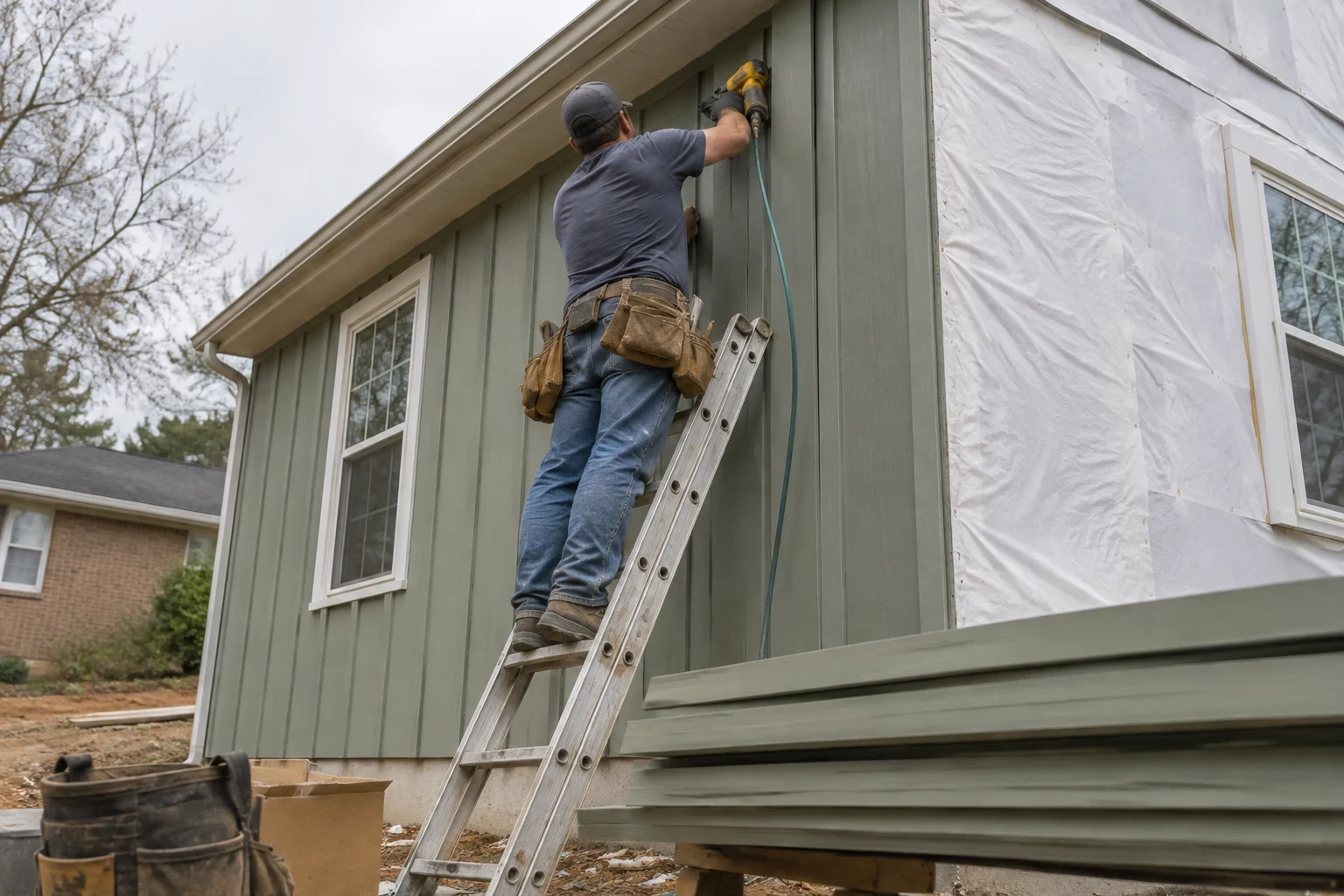
We take off the old siding, fix what is soft or rotted underneath, and put up new siding with the wrap and flashing done right. You get a clear plan and a written estimate before work starts, so you can budget for it instead of reacting to it.
New Siding, Done From the Wall Out
Siding is the skin of your house. Its job is to shed water and keep wind out. When it cracks, warps or comes loose, water gets behind it and works on the sheathing and framing where you can't see it.
Most siding jobs we look at are not urgent yet. That is the best time to call. If you plan the replacement a season or a year ahead, you can pick the material you want, budget for it and schedule the work around your life. Wait until boards are rotting through and the job gets bigger.
We do siding on its own, and as part of a home remodeling project or an addition where new walls need to match the old ones.
What Our Siding Work Includes
- Tear-off and wall check
- We remove the old siding down to the sheathing. Then we walk every wall and mark what is soft, stained or loose. You see photos of what we find.
- Sheathing and framing repair
- Rotted sheathing gets cut out and replaced. If water reached a stud or sill plate, we fix that too. New siding over bad wood just hides the problem for a few years.
- House wrap and flashing
- We install a weather barrier and flash every window, door and roof-to-wall joint. This is the part that actually keeps water out. The siding is the first line, the wrap is the backup.
- Siding you choose
- We install vinyl, fiber cement and engineered wood. We'll tell you plainly how each one handles heat, moisture and impact, and what upkeep it needs over the years.
- Trim, soffit and fascia
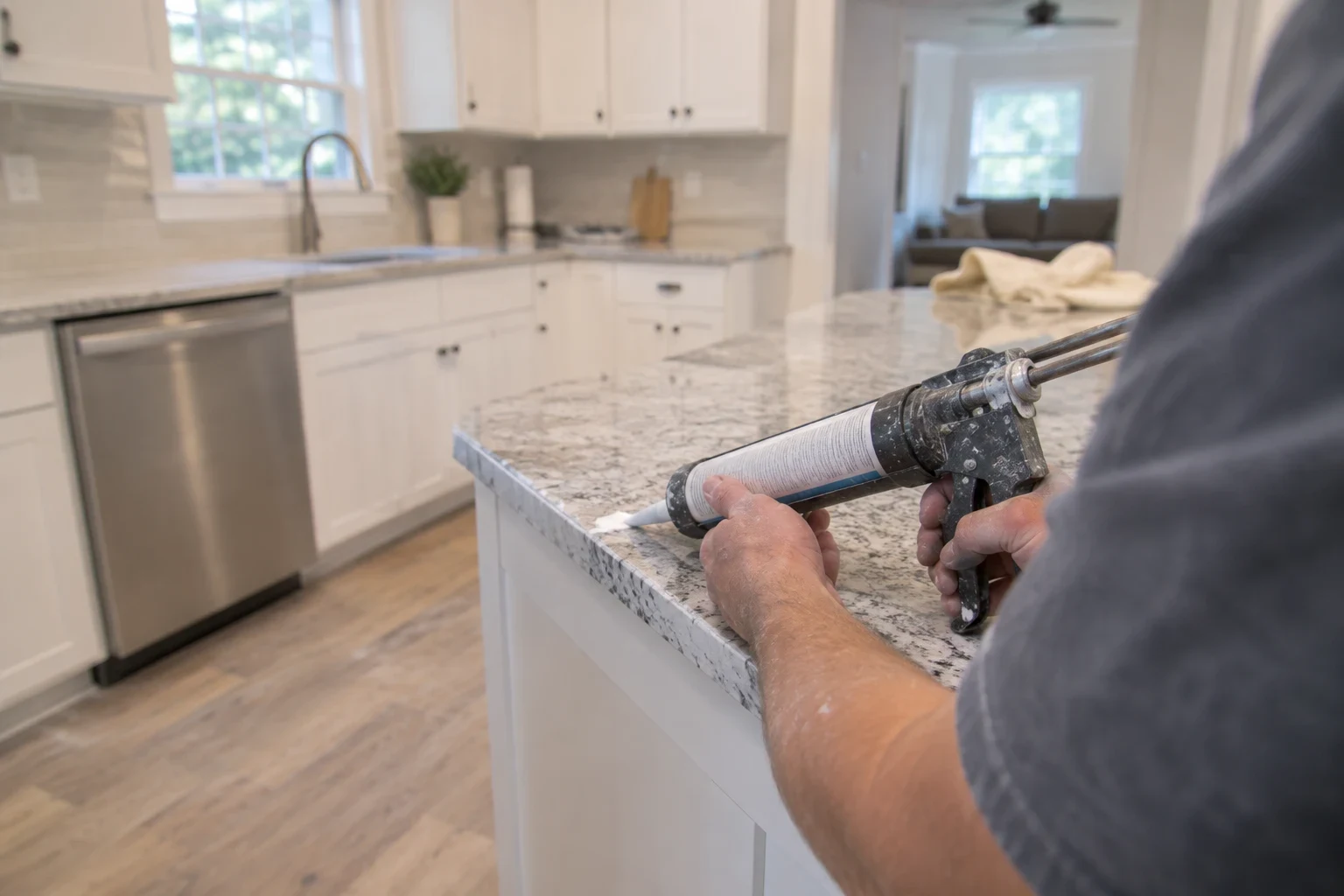
- Corners, window trim, soffit and fascia get replaced or wrapped so the whole outside looks finished and stays sealed.
- Cleanup each day
- Old siding, nails and scrap go in a dumpster, not your yard. We run a magnet over the lawn and driveway before we leave.
Signs It's Time to Plan New Siding
Soft spots when you press
If a board or the wall behind it gives under your thumb, water has been getting in. Rot spreads, so this one moves up the list.
Warped, cracked or loose panels
Vinyl that buckles in summer heat or cracks after a cold snap no longer seals. Loose pieces let wind-driven rain in behind.
Paint that won't stay on
If you repaint wood siding and it peels within a couple of years, moisture is coming through from behind. More paint won't fix that.
Stains or mildew on inside walls
Water marks near windows or a musty smell in one room can trace back to failed flashing or siding outside.
Staining along the bottom course
Red clay splashing up from the ground keeps the lowest boards wet. Swelling or dark streaks there often mean the bottom of the wall needs attention.
An addition or remodel is coming
If you're adding on, it often makes sense to reside the whole house at once so everything matches and ties in clean.
How a Siding Job Runs
- 1
Project consultation
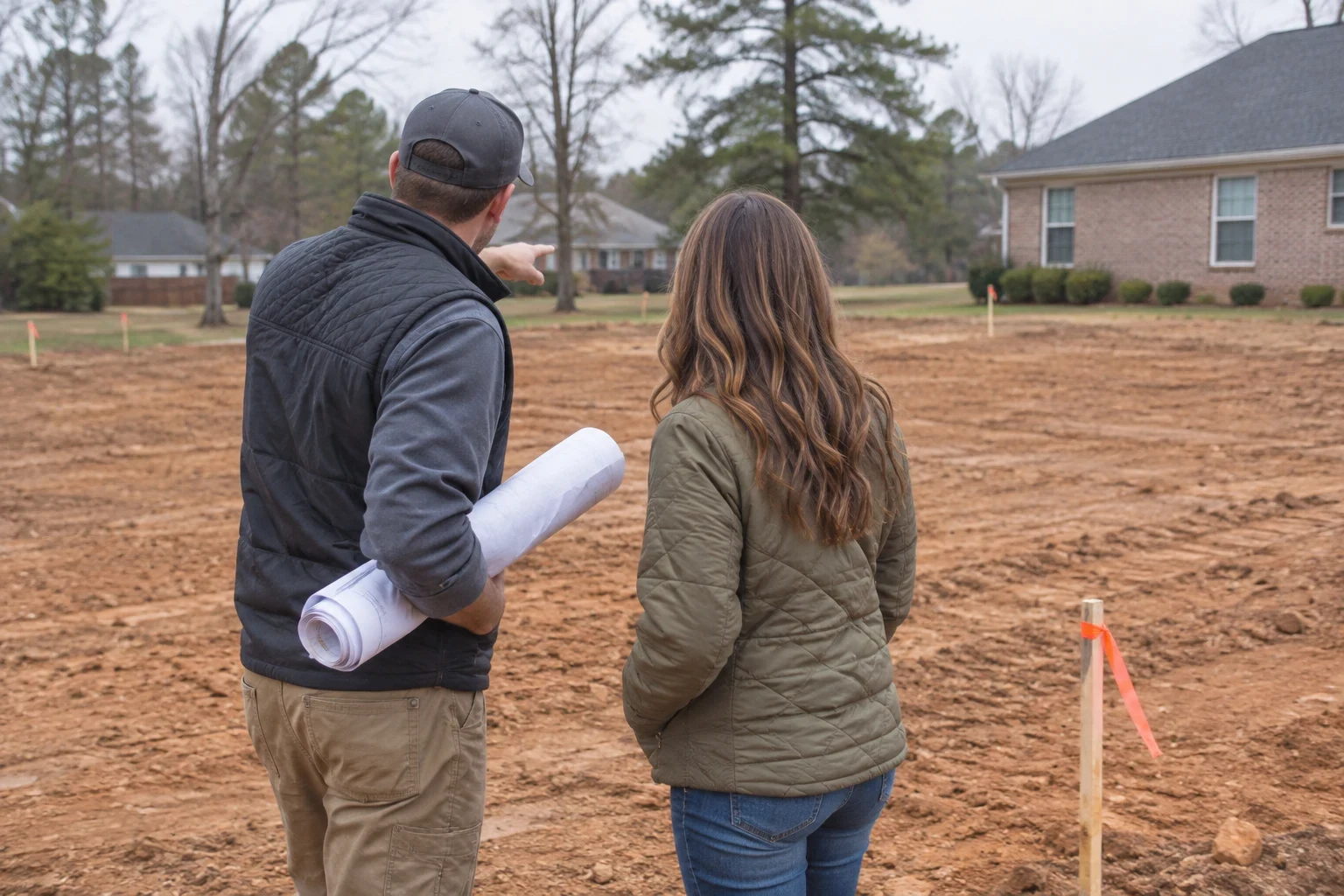
We talk through what you're seeing, your budget and your timeline. Then we come look at the house and measure.
- 2
Written estimate
You get a line-item estimate: tear-off, materials, trim, and a set allowance for sheathing repair. If we find more rot than expected, we show you before we fix it.
- 3
Order and schedule
We order materials and set a start date. Planning ahead lets you pick a good-weather window instead of taking whatever slot is open.
- 4
Tear-off and install
We work one wall or section at a time so the house is never left open overnight. Wrap and flashing go on before the siding does.
- 5
Walkthrough
When it's done, we walk the house with you. We check every corner and joint, and fix anything you point out before we call it finished.
What Moves the Price of Siding
Siding cost comes down to how much wall there is, what you put on it and what we find underneath. We can't know that last part until the old siding comes off, so we set an allowance for it up front and tell you before it changes.
- Size and shape of the house
- More square feet means more material and labor. Lots of corners, gables and windows add cutting and trim work.
- Material choice
- Vinyl, engineered wood and fiber cement each cost differently to buy and to install. Fiber cement is heavy and takes more time and more hands.
- Condition underneath
- Clean sheathing keeps costs down. Rotted wood, damaged framing or old siding layers that all have to come off add to the job.
- Height and access
- Two-story walls, steep slopes or tight side yards mean more staging and slower work.
- Trim and extras
- Replacing soffit, fascia and window trim at the same time adds cost now but saves a second project later.
Siding Questions We Hear
Something not covered here? (864) 362-2447
Can you put new siding over the old siding?
It can be done on some houses, but we almost always advise against it. A second layer covers up any rot on the wall and can hold moisture against the sheathing. Stripping the old siding lets us see the wall and repair it one time.
Which siding holds up best here?
That depends on your house and your budget. Fiber cement handles heat, humidity and hail well, but it costs more to put up. A good vinyl needs little upkeep and is easier on the budget. We'll walk you through the tradeoffs straight and let you make the call.
How long does a siding job take?
Most houses take anywhere from several working days to a couple of weeks. The size of the house, the material and how much repair we find underneath set the pace. Rain can add a day or two.
Do I need to be home during the work?
No. We like to talk with you when we start and again at the walkthrough. The rest of the time we only need access to the outside walls and a spot to set a dumpster.
What happens if you find rot?
We pause, take photos and show them to you. You'll see what it is, how far it runs and what the repair adds before any of it gets done. Nothing extra lands on your bill until you say yes.
Get Your Siding on the Calendar
Tell us what you're seeing on your walls and when you'd like the work done. We'll come measure, check underneath where we can, and give you a written plan you can budget around.